
Baystate Dental logo
  • Pay my bill
  • Patient login
  • Blog
  • Contact
  • Careers
  • Emergencies
  • Locations
    • Prevent
    • Children's dental care
    • Dental exams & teeth cleaning
    • General dentistry services
    • Perio Protect®
    • Restore
    • All-on-4® by Nobel Biocare
    • Dental implant services
    • Fillings, crowns & bridges
    • Full dentures & partial dentures
    • Implant-supported dentures
    • Root canal & endodontics
    • Improve
    • Braces
    • Cosmetic dentistry services
    • Invisalign®
    • Porcelain veneers
    • Teeth whitening
    • Other Services
    • Emergency dentist
    • Sleep apnea treatment
    • Tooth extractions
    • Dental payment options
    • Dental insurance
    • Dental financing
    • Special offers
    • Medicare Advantage
    • Good faith estimate
    • About us
    • Patient information
    • Dental reviews
    • Smile gallery
  • Book appointment

Home

Blog

Uncover The Truth About Root Canal Treatment

Uncover The Truth About Root Canal Treatment

March 15, 2022 By Baystate Dental

Uncover The Truth About Root Canal Treatment

Even though root canals are extremely common, many people have misconceptions about this tooth-saving remedy. Uncover the truth about root canal treatment and ask some important questions to see whether it’s best for you.

Reasons for a Root Canal

While root canals are falsely rumored to cause a lot of tooth pain, the truth is that this treatment provides relief for tooth pain and problems, rather than being the source of it. A root canal is actually a practically painless procedure. Any tooth pain comes from the infection, decay, or damage that’s affecting a tooth’s inner pulp. If the problem is not quickly treated by a dentist, the pain will only worsen and the tooth will need to come out. But when you see a dentist at the first sign of pain or problem, you’ll be able to save your natural tooth with a simple root canal treatment.

Top Ten Questions about Root Canals

When you go to your dental appointment, be sure to ask these questions to see if a root canal is right for you.

  1. Am I a candidate for a root canal?
  2. Will I experience any tooth pain after the procedure?
  3. Should this dental problem be treated with a procedure other than a root canal?
  4. What’s involved in root canal treatment?
  5. How long should the entire process take, from initial dental exam to complete healing?
  6. Is anesthetic needed during the treatment?
  7. Are there any risks involved with root canals?
  8. How much will the root canal cost?
  9. Are root canals covered by insurance?
  10. Will the natural tooth be as strong after the procedure?

Dire Dental Warning Signs

While many types of tooth pain indicate the need for root canals, there are other symptoms of infection that you can’t afford to ignore. If you experience any of these serious signs, see an affordable dentist immediately to determine if a root canal is the remedy you need:

  • Persistent or severe tooth pain
  • Swollen or red gums
  • Teeth and gums that are tender when touched
  • Sensitivity to hot or cold that lingers long after the cause is removed
  • Dental discoloration
  • Severe tooth decay
  • A tiny bump on the gums around the tooth pain

At the first sign of one or more of these symptoms, call an affordable dentist to see if a root canal is the remedy you need.

Your Step-By-Step Guide To the Root Canal Procedure

If you’ve been told you need a root canal, you’re probably anxious about what to expect. Here’s a convenient go-to guide to every step of the painless process.

Step 1 - Detection of an Infection

The road to a root canal starts when the pulp within a tooth becomes severely infected or damaged. There are usually signs such as swelling, redness, and tooth pain. If you experience any of these symptoms, see an affordable dentist immediately, because the only way to treat the problem may be with root canals.

Step 2 - Beginning the Root Canal Procedure

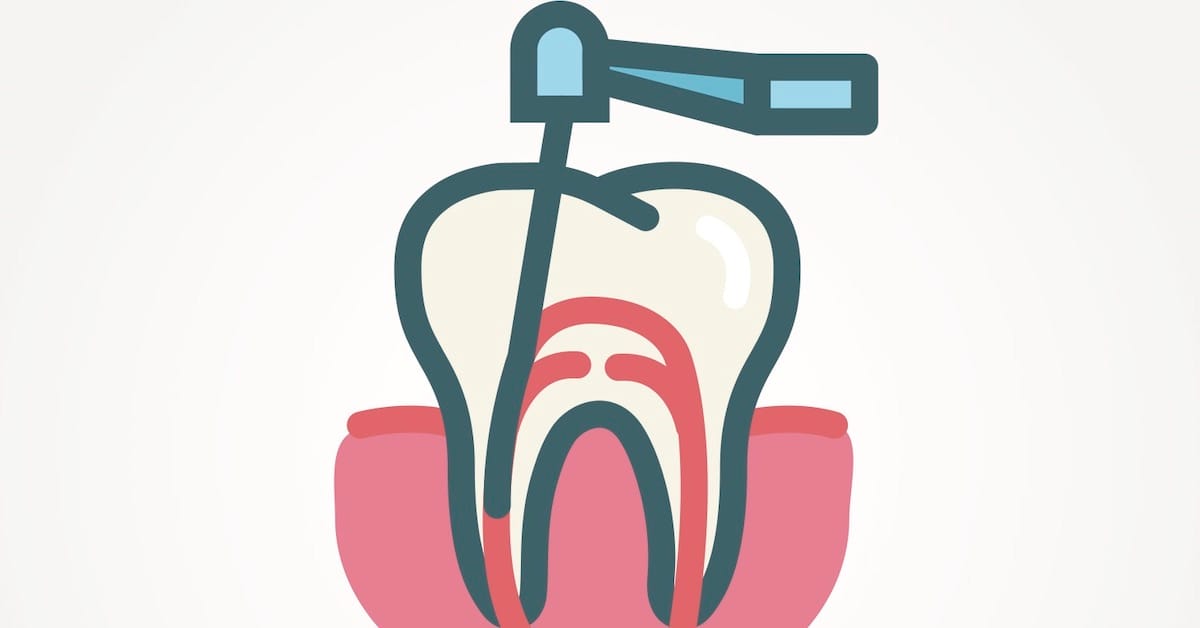
If a dental exam by an affordable dentist reveals that a tooth is infected or damaged beyond repair, the root canal procedure will be needed. It’s important to know that root canals are painless procedures that relieve tooth pain, rather than cause it. First, the tooth will be numbed and an opening will be created through the tooth’s crown to allow access to its inner pulp.

Step 3 - Removing the Root of the Problem

Once there is access to the pulp of the tooth, the infected or damaged pulp is removed with special files and the tooth is completely cleaned.

Step 4 - Filling the Tooth’s Canals

Then, the canals inside the tooth are shaped and packed for protection with a permanent filling material.

Step 5 - Restoring the Tooth

Once the infected or damaged pulp has been removed, the opening made in the tooth gets sealed with a temporary filling.

Step 6 - Receiving Its Crowning Glory

Shortly after the root canal procedure, the tooth will receive a crown for permanent protection.

Dental Dos and Don’ts after a Root Canal

How can you ease and expedite healing after having a root canal? Use this dental guide to ensure a faster and better recovery.

Face What You Feel after Root Canals

For a few days after root canals, it’s normal and natural to experience a bit of tingling or tenderness around the treated tooth as the healing process begins. This tenderness may extend to your jaw after holding it open for an extended time. But these symptoms can be easily treated with an over-the-counter pain reliever. Also, the treated tooth may feel a little different than other teeth for a few weeks after the root canal as your body continues to heal. But if you feel serious tooth pain or pressure a few days after the procedure, call your affordable dentist right away, because this may be a sign of a problem.

How To Heal at Home

After a root canal procedure, you’ll receive instructions for the recovery process. You need to follow them precisely, since they will help you heal faster and better. Call your affordable dentist immediately if you have any concerns, questions, severe tooth pain, ongoing discomfort, or adverse reactions. While every case is different, these are some basic guidelines for proper healing at home:

  • Do not eat until all numbness in your mouth wears off to avoid biting your tongue or cheek.
  • Avoid chewing or biting around the treated tooth until it has healed and been fully restored.
  • Follow all instructions about medications.
  • Brush and floss as you regularly would, being careful to be gentle around the treated tooth.
  • Call your affordable dentist right away if you experience any tooth pain, swelling, an allergic reaction, nausea, or any symptoms of concern.

Facts about Follow-Up Care

The root canal is just the first step to restoring a tooth’s full function and health. While the treated tooth receives a temporary filling during the procedure, you will still need to have a final restoration placed on the tooth for long-term protection. Right after your root canal, make sure to schedule an appointment with your affordable dentist for this final restoration.

Recent articles

comprehensive care Comprehensive Dental Care in Western Massachusetts
Dental Emergency Dental Emergencies in Western Massachusetts
dental implants can renew your smile Learning About Dental Implants

Book your appointment today.

Book appointment
Baystate Dental logo white
  • Baystate Dental of Belchertown
  • Baystate Dental of Chicopee
  • Baystate Dental of Greenfield
  • Baystate Dental of Harrison
  • Baystate Dental of Holyoke
  • Baystate Dental of Ludlow
  • Baystate Dental of Northampton
  • Baystate Dental of Springfield
  • Baystate Dental of Sturbridge
  • Baystate Dental of West Springfield
  • Baystate Dental of Westfield
  • Baystate Dental of Wilbraham
  • All-on-4® by Nobel Biocare
  • Braces
  • Children's dental care
  • Cosmetic dentistry services
  • Dental exams & teeth cleaning
  • Dental implant services
  • Emergency dentist
  • Fillings, crowns & bridges
  • Full dentures & partial dentures
  • General dentistry services
  • Implant-supported dentures
  • Invisalign®
  • Perio Protect®
  • Porcelain veneers
  • Root canal & endodontics
  • Sleep apnea treatment
  • Teeth whitening
  • Tooth extractions
  • Find a dentist near you
  • Privacy policy
  • Notice of Privacy Practices
  • Site map

© 2026 Baystate Dental. All rights reserved. The above-listed practice complies with applicable Federal civil rights laws and does not discriminate on the basis of race, color, national origin, age, disability, or sex. Notice of non‑discrimination.

(413) 417-2711
(413) 417-2714
(413) 417-2723
(413) 417-2722
(413) 301-9215
(413) 417-2718
(413) 417-2717
(413) 417-2720
(774) 272-6898
(413) 241-6058
(413) 417-2716
(413) 417-2712