
When you flip the month to October on your calendar, your thoughts automatically turn to Halloween and the costumes and abundance of candy and treats it brings. Unfortunately, as tasty as candy, candied apples, pie, and cider are, they can wreak havoc on your teeth and cause intense frustration for your dentist.
Interestingly, October is also National Dental Hygiene Month, so it's a good time to focus on your teeth and your overall dental hygiene. Having a healthy mouth is essential to having a healthy body, so make sure you keep your teeth healthy during Halloween and the holiday season. If you have questions on how to maintain the best dental hygiene, call our Western Massachusetts office, and we'll be happy to answer all your questions.
Although most people don't realize the connection, your dental health and your physical health are inextricably linked. It may seem counterintuitive, but there's valid science behind it.
The membranes and tissues in your mouth are very thin, so they're very permeable. This means that anything in your mouth, whether it's nutrients or bacteria, can readily pass through the membranes and tissues and enter your bloodstream. They're then transported throughout your body, including to your major organs, where the bacteria can cause inflammation.
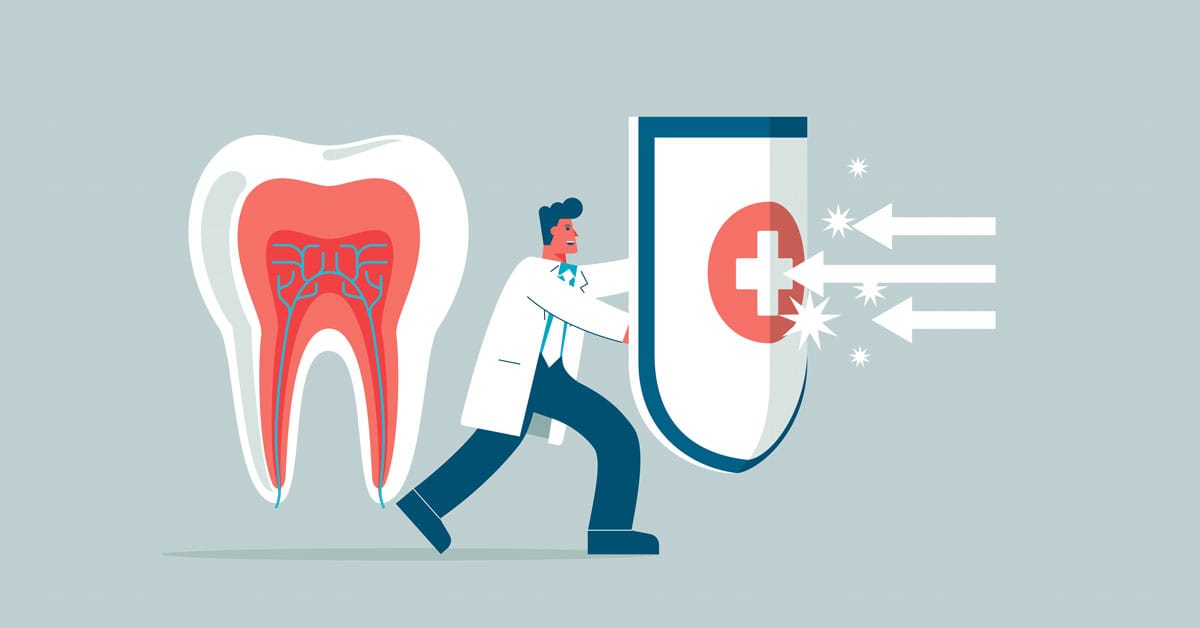
If you have an infected tooth that you ignore and it becomes abscessed, it can have life-threatening ramifications. So don't ignore an infected tooth.
Research has established a correlation between poor oral health and serious diseases such as dementia, diabetes, cardiovascular disease, stroke, and more. All these serious diseases can be avoided, or the likelihood greatly reduced, by using good oral hygiene. When you think about it, investing a few minutes each day in your good oral hygiene may be one of the soundest investments you'll make in your lifetime.
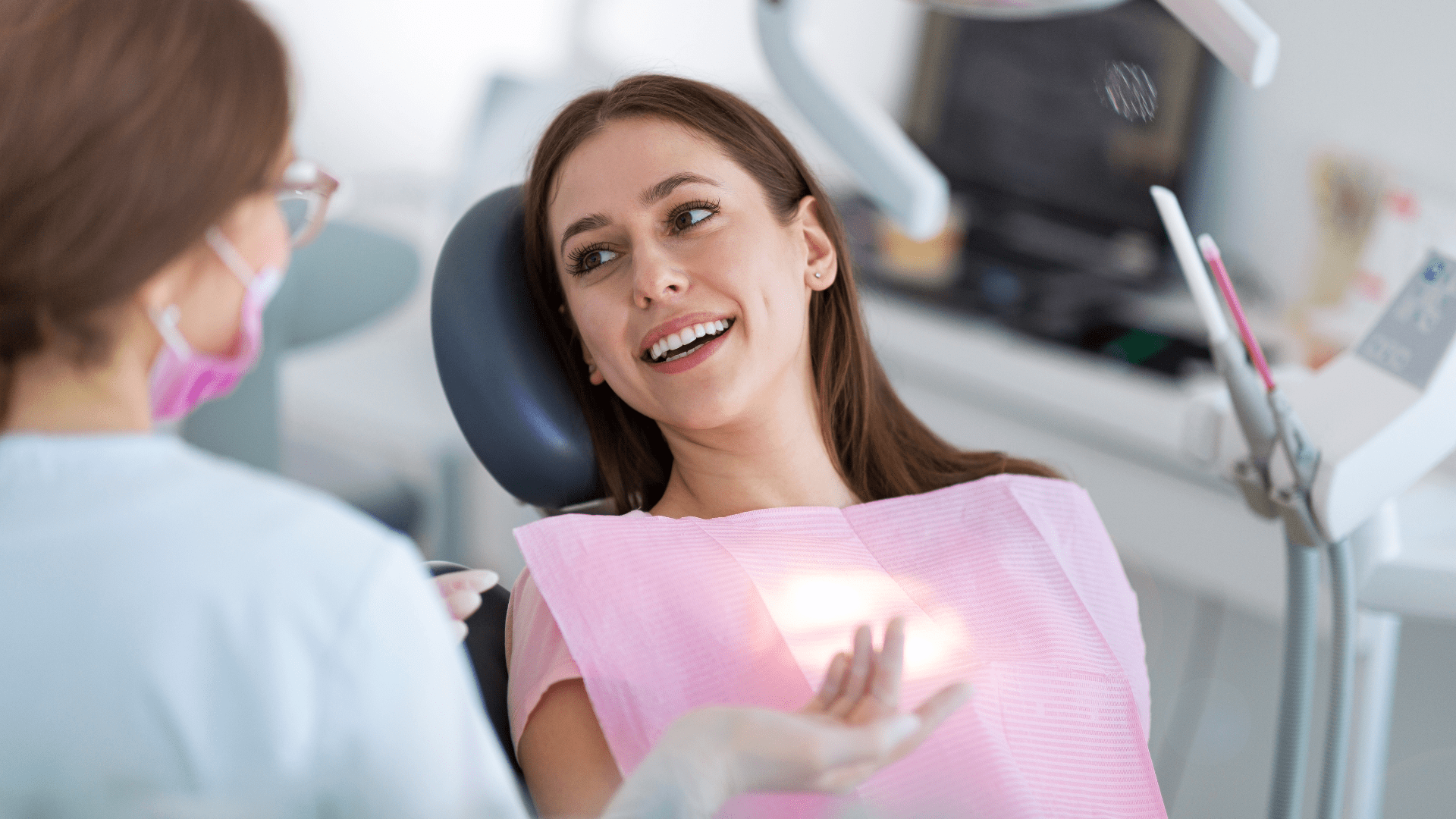
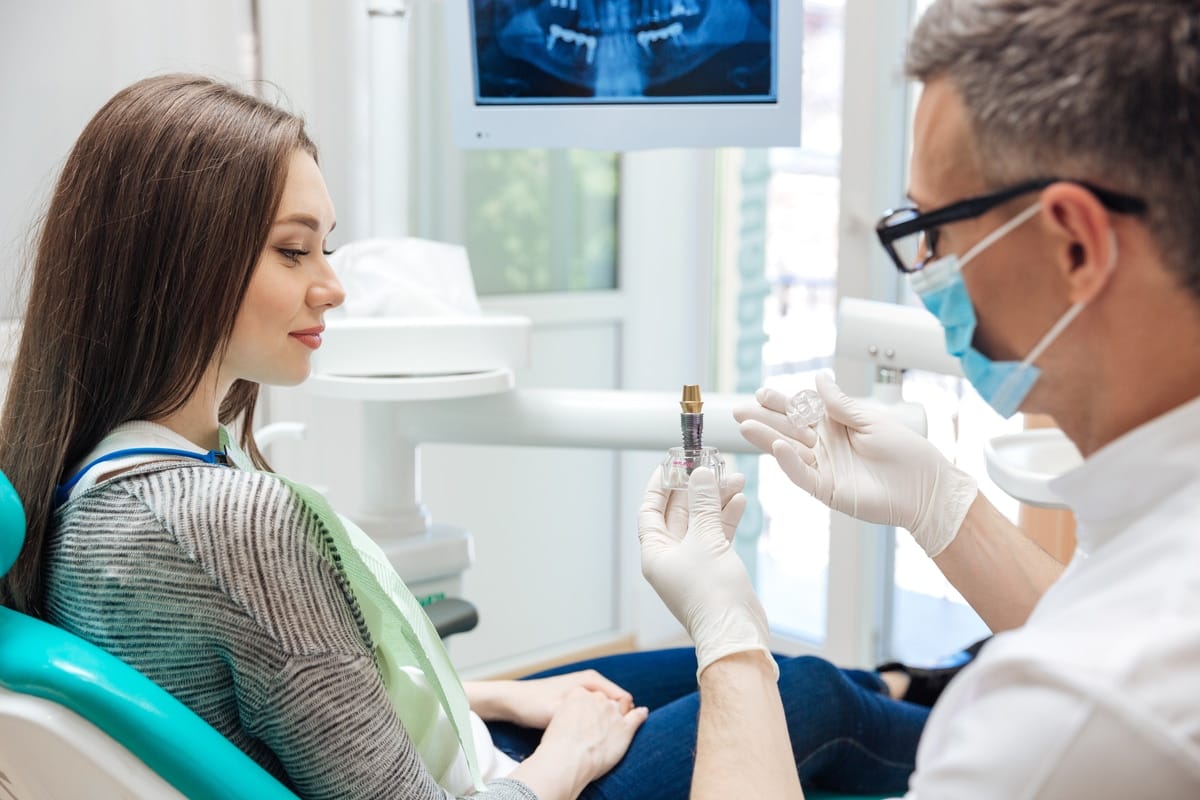
When you maintain good oral hygiene that includes regular dental visits, your dentist can spot issues, such as infected teeth, before they escalate and become life-threatening or a major issue. No matter how good your oral hygiene routine is, your dentist may be able to provide suggestions for improvement. They'll be tailored to your unique needs, so don't hesitate to ask questions.
The American Dental Association recommends the following procedures for maintaining good oral health:
Additional techniques for brushing include the following:
Be sure to use a toothbrush that's the correct size for your mouth. You may be an adult who needs a child-sized toothbrush, or you may be a child who needs an adult-sized toothbrush. Buy the proper size for your mouth regardless of the package description.
The ADA recommends that all your dental products carry the ADA Seal of Acceptance so that you know you're using a quality product.
If you need to make a dental appointment, then call Baystate Dental at , and we'll be glad to help you. Especially with Halloween so close and the holidays on the horizon, your teeth may need extra attention to stay healthy. We recommend that all our patients who are at least 18 get screened for oral cancer.
This incidence of this insidious disease is increasing dramatically, and it presents asymptomatically, so you may have the disease for a long time but won't know it until it has spread to other areas. The screening isn't painful or invasive. Your dentist will screen you while they conduct the exam. If you haven't been screened, we strongly urge you to schedule a screening. If you have been screened, you might need a recheck. Those who are over 40 should have annual screenings.
Our Western Massachusetts office is one of the best in the area, and we're sure you'll be happy with the service you receive. If it's been a while since you've had a dental appointment, then call us, and we'll put you on the schedule.
Call us today. You'll be glad you did.